
Table of Contents
We meticulously track our protein intake, count the almonds in our snacks, and agonize over whether to choose brown rice or quinoa. Yet, many of us are unknowingly undermining our health goals before we even pick up a fork.
The culprit? Liquid calories.
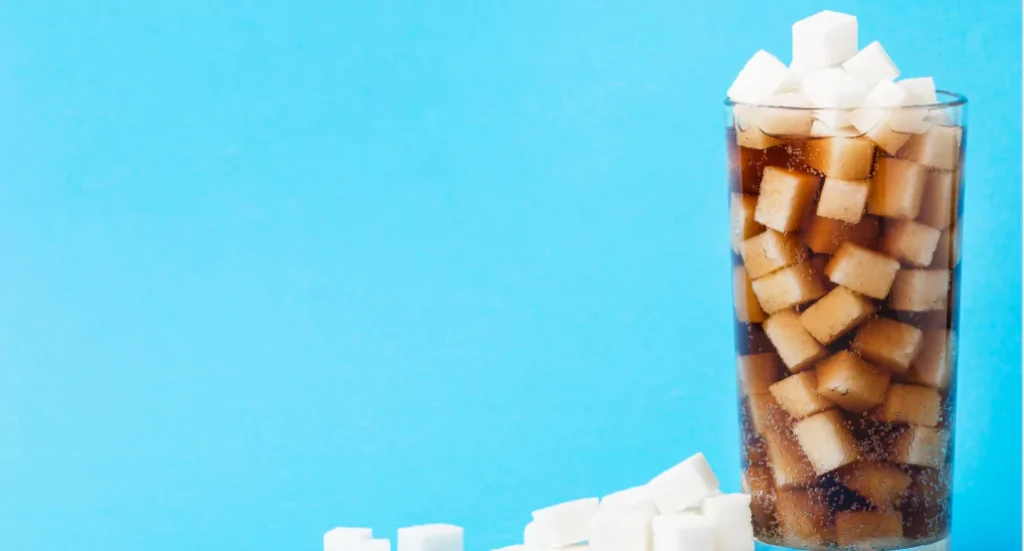
Unlike solid food, which requires chewing and takes time to process, liquid calories slide under the metabolic radar. They provide the energy (calories) without the satiety (fullness), creating a “stealth” surplus that can lead to unexpected weight gain and metabolic hurdles.
Why the Brain Ignores Liquid Energy
The primary danger of liquid calories lies in satiety signaling. When you eat a whole apple, your body registers the mechanical act of chewing and the physical bulk of fiber stretching your stomach. This triggers hormones like leptin to tell your brain, “I’m full.”
When you drink a glass of apple juice, those fibers are gone. The liquid passes through the stomach rapidly. Research consistently shows that the human body does not compensate for liquid calories by eating less solid food later. If you drink 200 calories of soda with lunch, you are likely to eat the same amount of dinner as if you had drunk water, effectively adding 200 “invisible” calories to your day.
The Usual (and Unusual) Suspects
When we think of liquid calories, soda is the obvious villain. But the “trap” is often set by drinks marketed as healthy or sophisticated.
- The “Healthy” Smoothies: A store-bought smoothie can pack 400–600 calories. While they contain vitamins, the high concentration of fruit sugar (fructose) without the structural fiber leads to rapid insulin spikes.
- Coffee House Creations: A plain black coffee has nearly zero calories. However, a seasonal latte with whipped cream and flavored syrup can rival a double cheeseburger in caloric density.
- The Alcohol Halo: Alcohol is calorie-dense (7 calories per gram). Mixers like tonic water, ginger beer, or fruit juices turn a single drink into a high-calorie dessert.
- Artisanal Juices: “Cold-pressed” doesn’t mean calorie-free. Juicing removes the pulp, leaving behind a concentrated sugar solution that hits your bloodstream instantly.
The Metabolic Impact: More Than Just Weight
The liquid calories trap isn’t just about the scale , it’s about your internal chemistry. Because liquids are absorbed so quickly, they cause a rapid spike in blood glucose. In response, the pancreas pumps out a massive dose of insulin to clear the sugar. Frequent spikes can lead to insulin resistance over time, a precursor to Type 2 diabetes and systemic inflammation. Furthermore, the liver is the only organ that can process fructose; flooding it with liquid fruit sugar can contribute to non-alcoholic fatty acid buildup.
How to Escape the Trap
You don’t have to stick to plain water for the rest of your life, but escaping the trap requires a shift in “liquid literacy.”
- Eat Your Fruit, Don’t Drink It: Choose a whole orange over orange juice. You’ll get the fiber, stay full longer, and consume fewer total sugars.
- Master the “Swap”: Replace soda with sparkling water infused with lime. Switch whole milk lattes for americanos with a splash of milk.
- The “One-for-One” Rule: If you are consuming alcohol, drink one full glass of water between every alcoholic beverage. This slows consumption and keeps you hydrated.
- Read the Labels: Check the “Servings per Container.” A bottle of tea might look like 100 calories, but if the bottle contains 2.5 servings, you’re actually drinking 250 calories.
The Bottom Line
Weight management and metabolic health are often won or lost in the glass, not just on the plate. By becoming mindful of what you drink, you can eliminate hundreds of “empty” calories without ever feeling like you’re on a restrictive diet.
Next time you’re thirsty, ask yourself: Is this quenching my thirst, or is it an invisible meal?
Ready to Transform Your Body and Mind?

About Author – TANIYA
Dt. Taniya Chatterjee is a dedicated nutrition expert known for her practical, science-backed, and deeply empathetic approach to health and wellness.