
Table of Contents
The Real Reason Behind Weight Gain
Gaining weight is a complicated process that is influenced by environmental, lifestyle, physiological and genetic factors. People can make better decisions about their diet, level of physical activity and general health if they are aware of these factors. Menopausal hormonal changes can cause weight gain especially in the abdomen area. If you’re eating clean, working out regularly and still not losing fat, your cortisol might be the reason.
Cortisol Hormone:
Stress is now an unavoidable aspect of life in the fast-paced world of today. Chronic stress can have a significant negative influence or both our physical & mental well-being.
Cortisol, sometimes referred to as the “stress hormone,” is produced by the adrenal glands and is essential to the body’s reaction to stress. When people are under stress, their release cortisol to get ready for a light or dark reaction. By eliminating glucose from the blood and changing a number of physiological functions such as metabolism and immunological response, this hormone raises energy levels.
This may be the real factor, if you’re exercising frequently and maintaining a healthy diet but are still not losing weight. If it remains elevated for an extended period of time, your body enters survival mode rather than fat loss mode. (3)
Aspects of Cortisol:
- Stress response: Helping the body react to stress is one of cortisol’s main roles. The hypothalamus and pituitary gland in the human brain alert the adrenal glands to release cortisol in response to stressful situations. This is a component of the body’s “light or light” reaction, in which cortisol boosts vitality and gets the body ready to handle a perceived threat.
- Metabolism: Cortisol has a number of effects on metabolism. It gives the body a rapid source of energy by raising blood glucose (sugar) levels. Additionally, it releases fat reserves so they can be used as fuel.
- Circadian rhythm: Cortisol levels usually follow a daily pattern, with the highest levels in the morning helping people wake up and move. It slowly goes down during the day and is at its lowest point at night, which helps people sleep well.
- Blood pressure control: Cortisol helps control blood pressure by keeping the tone of blood vessels and the balance of fluids. It can increase blood pressure, especially in the stress response.
- Emotion and memory: Cortisol affects certain brain functions related to emotion and memory. It modulates emotional responses to stress and can influence memory consolidation, particularly during stressful events. (1)
The Factors that Can Increase Cortisol Levels in Human
- Stress
- Lack of sleep
- Poor diet
- Caffeine and alcohol
- Medical conditions
Cortisol and Weight Gain :
While cortisol is essential for survival in acute stress situations, prolonged or chronic stress can lead to consistently elevated cortisol levels in the body. This chronic elevation can have a significant impact on human metabolism and contribute to weight gain in several ways:
- Increased appetite: Cortisol can stimulate appetite, particularly for high-calorie comfort foods. When stressed, people often reach for sugary or fatty foods, leading to overeating and weight gain.
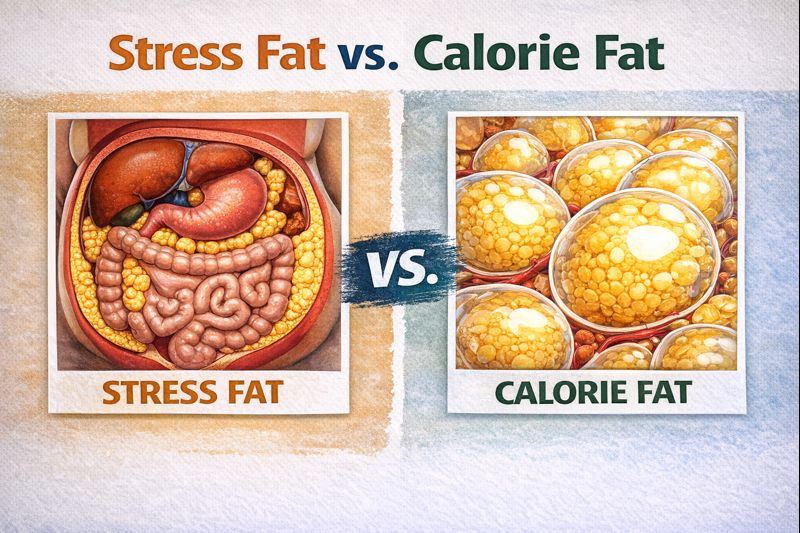
- Fat storage: Cortisol influences where the body stores fat. It tends to promote fat storage in the abdominal area, which is associated with an increased risk of various health problems, including obesity.
- Insulin resistance: Elevated cortisol levels can lead to insulin resistance, making it more challenging for the body to regulate blood sugar.
- Muscle loss: chronic cortisol exposure can lead to muscle breakdown. As muscle tissue is more metabolically active than fat, reducing muscle mass can slow metabolism and make gaining weight easier. (2)
We don’t battle the body at ProGen.
We start by supporting it, and that’s where true, long-term weight loss starts..
The Progen Weight Approach to Manage Cortisol Induced Weight Gain:
- Focus on a balanced diet with plenty of fruits, vegetables, lean proteins and whole grains. Avoid excessive consumption of high sugar and high – fat foods.
- Engage in regular exercise: Exercise can lessen the negative effects of cortisol on the body and help reduce stress. To preserve muscle mass and promote a healthy metabolism, try to combine aerobic and strength-training activities. Exercise is a more effective method of lowering stress and enhancing general health. Most days of the week, try to get in at least 30 minutes of moderate-intensity exercise.
- Sleep is a fat loss tool : Get enough sleep (7-8hours per night). Lack of sleep can further increase stress levels and hinder weight management efforts.
- Carb is not the enemy, stress is: Carbohydrates help lower cortisol when used correctly. A healthy diet can help reduce inflammation and balance blood sugar levels. It can also help reduce stress and cortisol level.
Progen doesn’t chase weight loss, they create hormonal balance first. Because when cortisol is calm, the body feels safe and fat loss happens naturally. It is not about doing more, it’s about doing what your body actually needs.
References :
https://www.sciencedirect.com/science/article/abs/pii/S0739724016300340
Ready to Transform Your Body and Mind?

About Author – TANIYA
Dt. Taniya Chatterjee is a dedicated nutrition expert known for her practical, science-backed, and deeply empathetic approach to health and wellness.