
Table of Contents
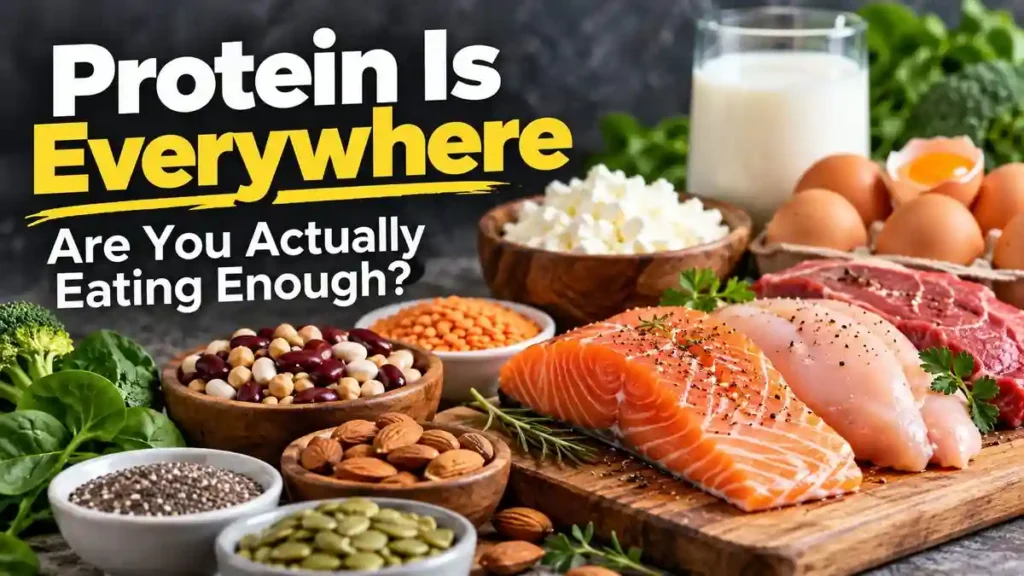
Walk into a grocery store scroll through social media or look at fitness menus and you will see protein everywhere. From protein bars to shakes, cereals, cookies, yogurt and snacks protein products are everywhere. Yet many people still miss protein in their everyday meals. Protein is not a gym supplement. This nutrient is a part of a healthy diet and is needed for muscle maintenance, recovery, hormone balance and to feel full after meals.
Importance of Protein :
Proteins are made of acids that the body uses to fix tissues. It is especially important to have protein in your daily diet when you want to lose weight. When you cut weight your main goal should not be weight loss. You want to shed fat and keep much muscle as possible. A balanced diet with protein plus proper exercise will keep muscle during weight loss. Protein also makes you feel full so you can avoid cravings.
How much Protein do you really need ?
The need for protein differs from person to person. Protein needs depend on factors such as:
- Body weight
- Age
- Exercise frequency
- Muscle mass
- Being pregnant or breastfeeding
- Underlying issues
- Weight loss
For a generally healthy adult the minimum protein requirement is 0.8 grams of protein per kilogram of body weight each day. People who exercise or intentionally lose weight may benefit from higher protein amounts depending on their situation. That is why when asked “How protein do I need?” the answer may vary.
Are you really getting Protein ?
Having protein does not mean you are eating good quality food. It depends on adding protein meals in your diet. People often choose meal patterns that look healthy. Those meals might not contain enough protein. Sometimes a meal plan looks healthy. Does not meet protein needs. This is especially true when meals are rich in carbs and vegetables and protein foods are eaten rarely.
One easy way to check is to ask yourself:
“Is there a source of protein in every major meal?”
If the answer is no most of the time it might be time to review your protein intake.
It is important to know that enough protein is not the same as eating protein. It means building meals that have plenty of protein, vegetables, fiber, carbs and healthy fats. Protein must be a part of every meal not just when you go to the gym.
Good Protein Sources in Indian Diet
You do not need supplements to add more protein to your diet.
Vegetarian food
- Dal
- Rajma
- Chole
- Soja beans
- Tofu
- Paneer
- Curd Yogurt
- Milk
- Sprouts
- Besan
- Chana roasted
- Nuts Seeds
Non vegetarian foods
- Egg
- Chicken
- Fish
- Meat
What matters most is choosing protein foods that fit your needs and diet goals.
Does more protein always mean better?
Extra protein is not always better for everyone. You must consider your situation because extra protein can add calories especially if your diet already has many calories. For example extra cheese, nuts, protein bars or shakes added to everything you eat may not help with weight loss. Quality matters too.
Simple methods to improve protein intake:
- Eat protein at breakfast: of breads, tea biscuits add curd, paneer, tofu, sprouts or besan.
- Add protein to lunch and dinner: Make sure meals are not just rice or roti add vegetables and protein.
- Choose protein‑rich snacks: chana, curd, sprouts, boiled eggs or other healthy snacks instead of biscuits and savory snacks.
- Include protein at every meal: Make sure you have protein in each meal not only at dinner.
- Pay attention to your needs: Protein intake changes from person to person based on body, lifestyle and goals.
Progen Approach :
Progen weight management does not focus on raising protein intake. This method is based on learning a person’s needs and creating a nutrition plan that matches. ProGen shows how proteins a person needs, which protein foods fit their life and how to add them to balanced meals. ProGen builds a nutrition schedule that helps a person feel fuller and manage cravings better.
Importantly it concentrates on building practical and lasting eating habits instead of quick diet changes. The aim is to help people understand what they eat create meal patterns and develop a healthier relationship, with food.
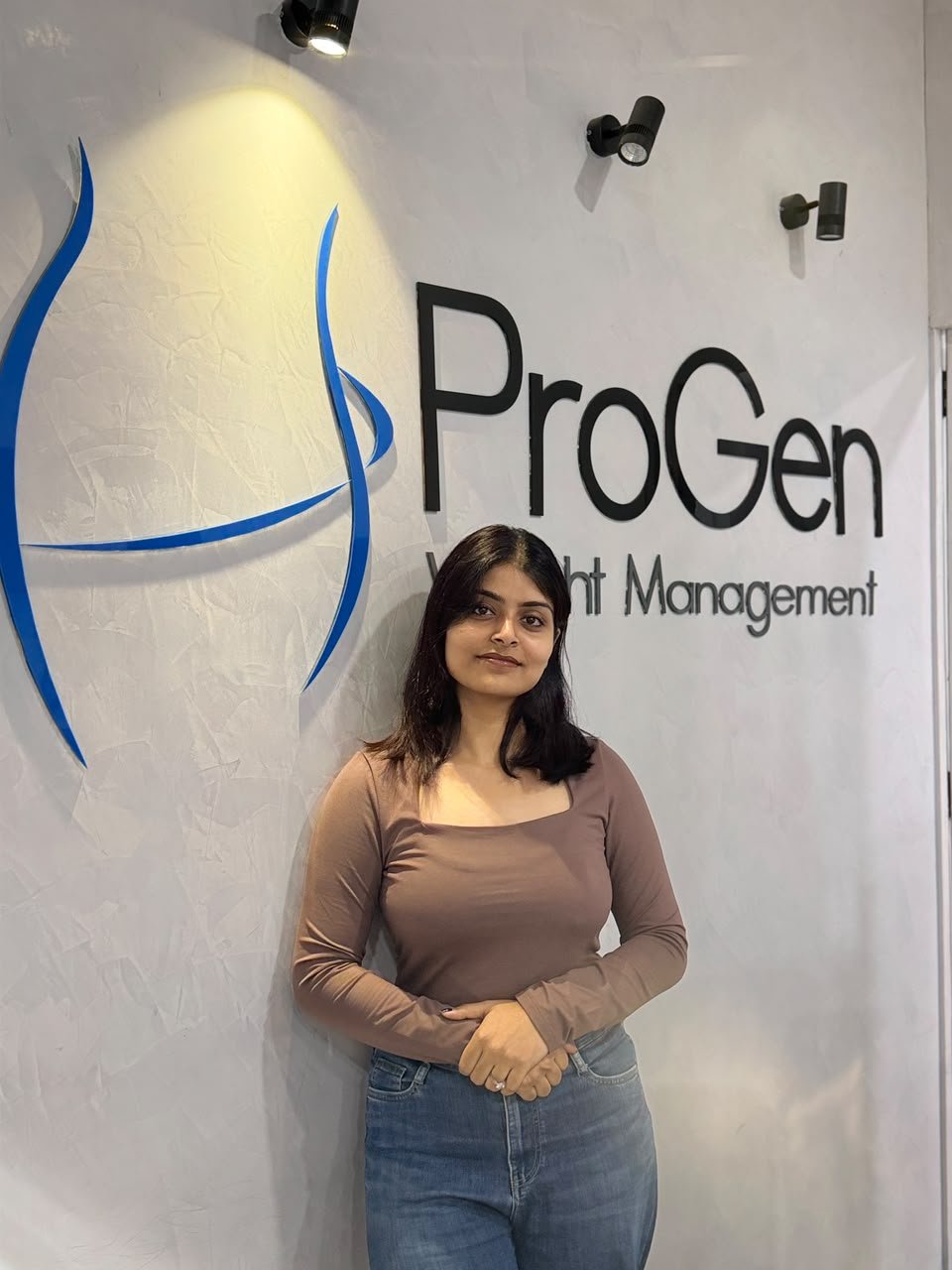
About Author – Trisha
Dt. Trisha Mukherjee is a Clinical Nutritionist with 2 years of experience specializing in personalized nutrition, diet planning, and metabolic health management. She creates tailored nutrition plans focused on sustainable weight management, healthier eating habits, and improved metabolic health.