
Table of Contents
Introduction
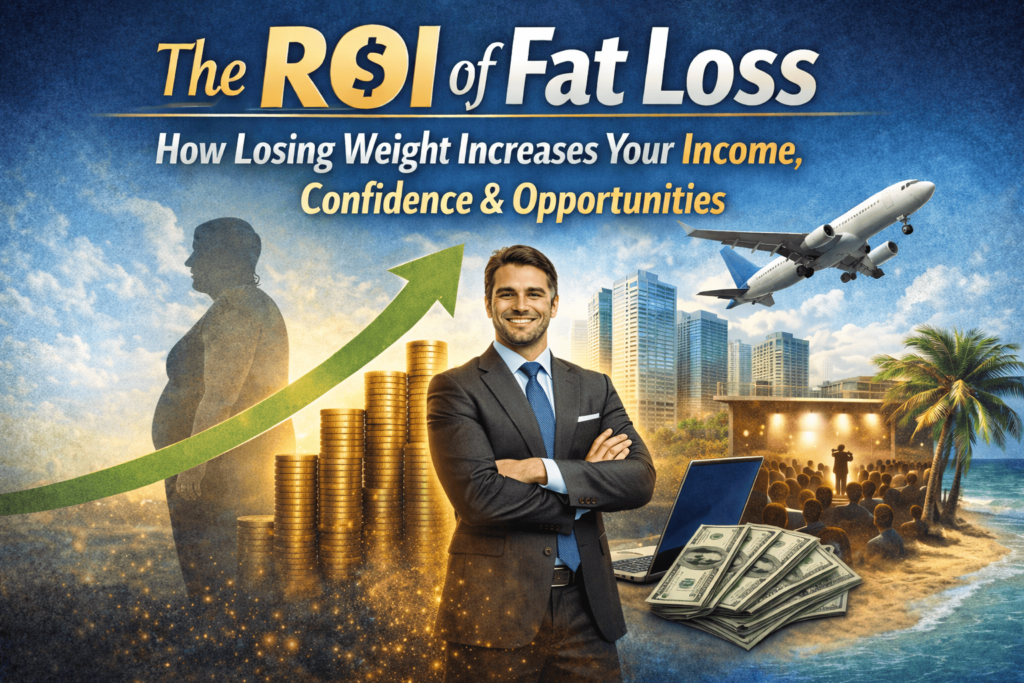
Most people think weight loss is all about looks. Yes, but it is actually about “money, power, and opportunities.”
Excess body weight is associated with a range of adverse health conditions, including Coronary heart disease, stroke, type 2 diabetes, and cancers related to obesity. It was projected that, with rising obesity, an additional 6-8.5 million cases of diabetes, and 5.7 – 7.3 million cases of heart disease and stroke will occur in the next two decades for the USA and UK combined. (1)
Because obesity creates serious health problems, social and financial problems as well, it’s important to find simple and affordable ways to help people lose weight. Research shows that even small weight loss makes a big difference. For example, losing just 1 kg can reduce the risk of type 2 diabetes by about 16%. Also, lowering BMI by one point can reduce the risk of heart disease by around 16% in men and 14% in women. Losing about 5% of body weight is considered a meaningful goal for better health, and many programs have shown success in helping people achieve this.
It starts with your energy, not your money. Before your income goes up, the most important thing gets improved first is your energy. When you have too much weight on you, everyday life can feel heavier than it should. You feel tired even after sleeping. Small tasks seem hard. Your focus comes and goes. But things start to feel easier as you lose weight. You feel lighter when you wake up. You go faster. You can think more clearly. And this is more important than most people think because energy is what makes everything happen. Your work, your consistency, and your ability to show up. When your energy gets better, your performance will naturally get better too. And over time, doing better work is what makes more money. People don’t just sit back and enjoy it when they feel better about themselves; they start doing more.
The Financial ROI: How Losing Weight Affects Your Income and Lower Healthcare Costs
Having too much body fat is strongly linked to diabetes, heart disease, and high blood pressure. Over time, taking care of these problems can cost a lot of money. Even losing a little weight lowers your risk, which means less time spent with the doctor and lower costs for medicine and long-term health care. Think of it as getting rid of future debts before they happen.
Confidence: The One Thing That Changes Everything That No One Talks About
Losing weight doesn’t just change how you look in the mirror. It changes how you see yourself. You start to keep your word to yourself, getting up on time, following your plan, and choosing discipline over comfort, and over time, that builds something strong, “trust in yourself.”
You walk into rooms differently. You sound a little more sure of yourself. You stop worrying about every little choice. It’s not being arrogant, it’s being confident in a quiet way. And people see it.
The Part No One Talks About: Who You Are.
This could be the biggest change of all. You stop thinking at some point, “I’m trying to lose weight.” And you start thinking, “I’m someone who looks after myself.”
That identity isn’t just about food or fitness. It spills over into how you handle your money, how you act at work, and how you deal with problems. You become more disciplined, more focused, and more in charge.
How spending on outside food makes you overweight
It may seem easy to buy food from outside, but it adds up over time, both in cost and weight. Ordering a lot means more oil, hidden sugars, processed foods and big portions. Over time, this not only makes you gain weight, but it also affects your energy levels, skin health and general health. People often find it hard to stop eating just one meal. On the other hand, sticking to a plan like ProGen is actually cheaper in the long run. Instead of spending money on restaurant meals every day, you’re investing in eating that is controlled and focused on nutrients, which helps you lose weight and get healthier. You spend less on cravings that come out of nowhere and more on nutrition that has a purpose. So it’s not about just weight loss, it’s about smarter spending, better habits and choosing long-term health over short-term satisfaction.
So, what’s the real return on investment (ROI) of losing weight?
It’s not only about getting thinner and looking better, but it’s also about having more energy to do important work, building confidence that makes you act differently, and making opportunities by moving forward instead of holding back. Losing weight doesn’t directly make you successful, but it does make it much more likely that you will be.
How can ProGen help you?
And with the right system like ProGen, the journey becomes structured, sustainable, results driven.
ProGen focuses on structured nutrition and metabolic support, which helps to improve daily energy levels, and when your energy improves, your productivity naturally grows, which is linked to income and growth.
ProGen also provides a clear roadmap, measurable progress, and structured guidance, where you do not need to guess what to eat and what not to.
Where does ProGen truly pay off?
It leads to fewer health issues, consistent performance, and preserving muscle mass, and over time, it translates into better quality of life, long-term stability, and higher earning potential.
ProGen is not only a diet, but it’s a system. It teaches you discipline, awareness, and structure.
References :
1. Michaud, Tzeyu L., et al. “Cost effectiveness and return on investment of a scalable community weight loss intervention.” Preventive medicine 105 (2017): 295-303.
https://www.sciencedirect.com/science/article/abs/pii/S0091743517303614
2. C Barbosa, J W Bray, et al. “Return on investment of a work-family intervention: Evidence from the work, family and health network” Journal of occupational and environmental medicine 57 (9), 943 – 951, 2015.
https://scholar.google.com/scholar?hl=en&as_sdt=0%2C5&q=The+ROI+of+Fat+Loss%3A+How+Losing+Weight+Increases+Your+Income%2C+Confidence+%26+Opportunities&btnG=#d=gs_qabs&t=1775669649168&u=%23p%3DuTEe9U8C0hoJ
3. A M Bjornson, S M Szabo, et al. “Costs of obesity, obesity related complications and weight loss in the United States: A systematic literature review” Journal of managed care & speciality pharmacy 31 (9), 851 – 861, 2025.

About Author – TANIYA
Dt. Taniya Chatterjee is a dedicated nutrition expert known for her practical, science-backed, and deeply empathetic approach to health and wellness.