
Table of Contents
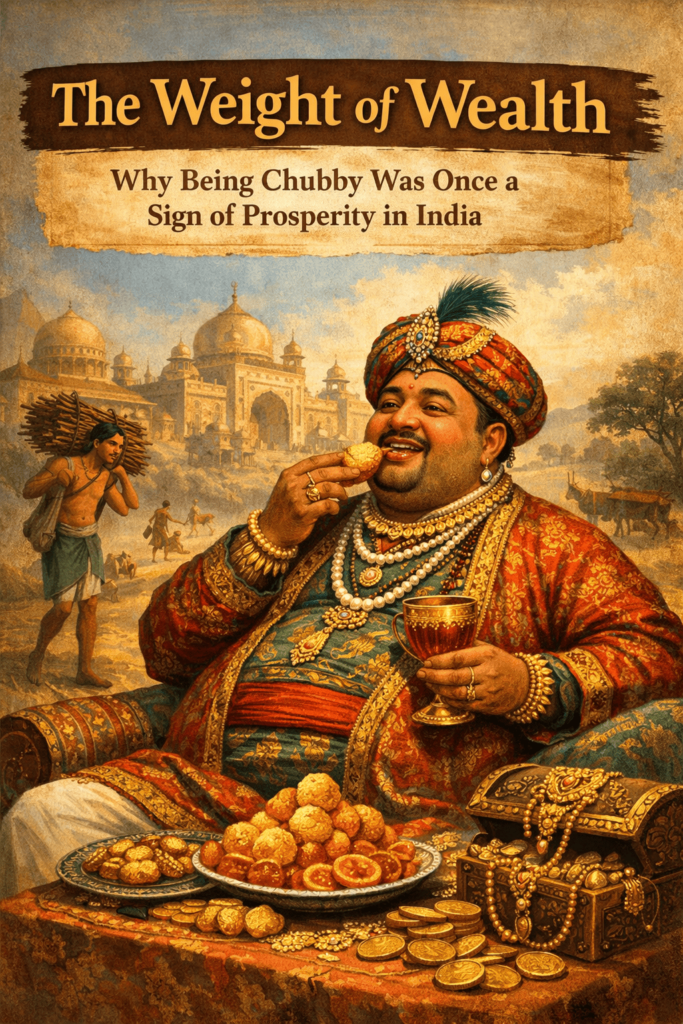
For generations in India, a “prosperous” look wasn’t defined by chiseled abs or a lean runner’s frame. Instead, a rounded belly and soft features were celebrated as outward symbols of a life well-lived. If you were carrying a little extra weight, it meant you weren’t just surviving, you were thriving.
However, as India’s economy and lifestyle habits shift, the cultural mirror is reflecting a different image. Let’s dive into why “chubby” was once the gold standard of health and why that narrative is rapidly dissolving.
The Historical Link Between Food and Status
In a country that has historically faced cycles of famine and food scarcity, body fat acted as a biological bank account. Being “healthy” , a common Indian euphemism for being overweight meant you had the financial means to consume high-calorie foods like ghee, sugar, and refined grains. This preference was rooted in a socio-economic reality where physical labor was the norm for the poor, while sedentary “desk work” or land ownership was the luxury of the elite. For decades, a larger body size was a direct marker of high social standing and economic security.
The Cultural Symbolism of “The Good Life”
In Indian households, feeding guests is an act of love, and a child’s “chubbiness” is often seen as a testament to a mother’s care. This cultural sentiment isn’t just folk wisdom; it has deep roots in how society perceives resilience against hardship. Historically, a bit of extra weight was seen as insurance against illness, if someone fell sick their “reserves” would help them recover. This created a psychological bias where thinness was synonymous with being undernourished or sickly, making the “prosperous” look a desired social shield.
The Modern Shift: From Prosperity to Precaution
Today, the narrative is flipping. As India experiences a “nutrition transition,” the very foods that once symbolized wealth, processed sugars and saturated fats have become cheap and accessible to the masses. This has led to a paradoxical situation where weight is no longer an exclusive marker of the rich. We are now seeing a rise in weight gain across all income levels, often driven by the “hidden calories” in our modern diet. For instance, the popularity of complex, sugary beverages often leads to overconsumption because these drinks fail to trigger the body’s natural fullness signals.
The Influence of Global Aesthetics
The shift isn’t just about health, it’s about the globalization of beauty standards and the changing nature of work. With the rise of social media and a globalized workforce, the Indian urban middle class is adopting a more Westernized view of fitness. The rapid urbanization of India has led to a decrease in physical activity and a shift toward “Western” diets. Consequently, the elite are now moving away from the “prosperous” look of the past, opting instead for gym culture. Being fit is now the new status symbol, as it represents having the time and discipline to maintain a body that resists the modern environment of convenience.
Conclusion: A New Definition of Health
India is in the middle of a massive cultural recalibration. We are moving away from seeing weight as a sign of wealth and toward seeing health as the ultimate form of prosperity. While the “chubby” child may still be pinched on the cheeks by doting grandparents, the medical and social reality is clear: the most prosperous body is no longer the heaviest one, but the one that is most resilient.
References & Research Papers
- Subramanian, S. V., et al. (2005). The Demographic and Socio-economic Distribution of Overweight and Obesity in India. International Journal of Obesity.
This study highlights that weight was historically concentrated in the highest wealth quintiles in India. - Shetty, P. S. (2002). The Epidemiology of Obesity in Developing Countries. European Journal of Clinical Nutrition.
This paper explains the cultural bias toward heavier bodies in nations transitioning from food scarcity. - Misra, A., et al. (2007). The Metabolic Syndrome in South Asians. International Journal of Diabetes in Developing Countries.
This research discusses the “double burden” of malnutrition and the rise of metabolic diseases in India. - Popkin, B. M. (2001). The Nutrition Transition: Worldwide Determinants and Outcomes. Journal of Nutrition.
This study tracks how urbanization and Western diets have shifted physical health standards globally. - Mattes, R. D. (2006). Effects of filtered coffee and coffee beverages on appetite and energy intake. Physiology & Behavior.
This study highlights how complex coffee drinks often fail to trigger the body’s fullness signals, leading to overconsumption.

About Author – Siri Gowri
Siri is a Dedicated Clinical Dietitian with 3+ years of experience in weight loss and nutrition. She creates personalized, science-backed plans to help clients manage obesity, diabetes, and achieve lasting health.